 makelose
Tips for healthier eating are essential for anyone looking to improve their overall well-being and quality of life. In today’s fast-paced world, it’s easy to fall into unhealthy eating habits, but with the right knowledge and strategies, you can transform your diet and reap the benefits of nutritious, balanced meals. This comprehensive guide will provide you with 15 powerful tips to revolutionize your eating habits and set you on the path to better health.
Plan Your Meals in Advance
One of the most effective tips for healthier eating is to plan your meals ahead of time. By doing so, you can:
- Ensure a balanced diet throughout the week
- Avoid impulsive, unhealthy food choices
- Save time and reduce stress during busy weekdays
- Control portion sizes more effectively
Try dedicating some time each weekend to plan your meals for the upcoming week. This simple habit can make a significant difference in your overall nutrition.
Incorporate More Fruits and Vegetables
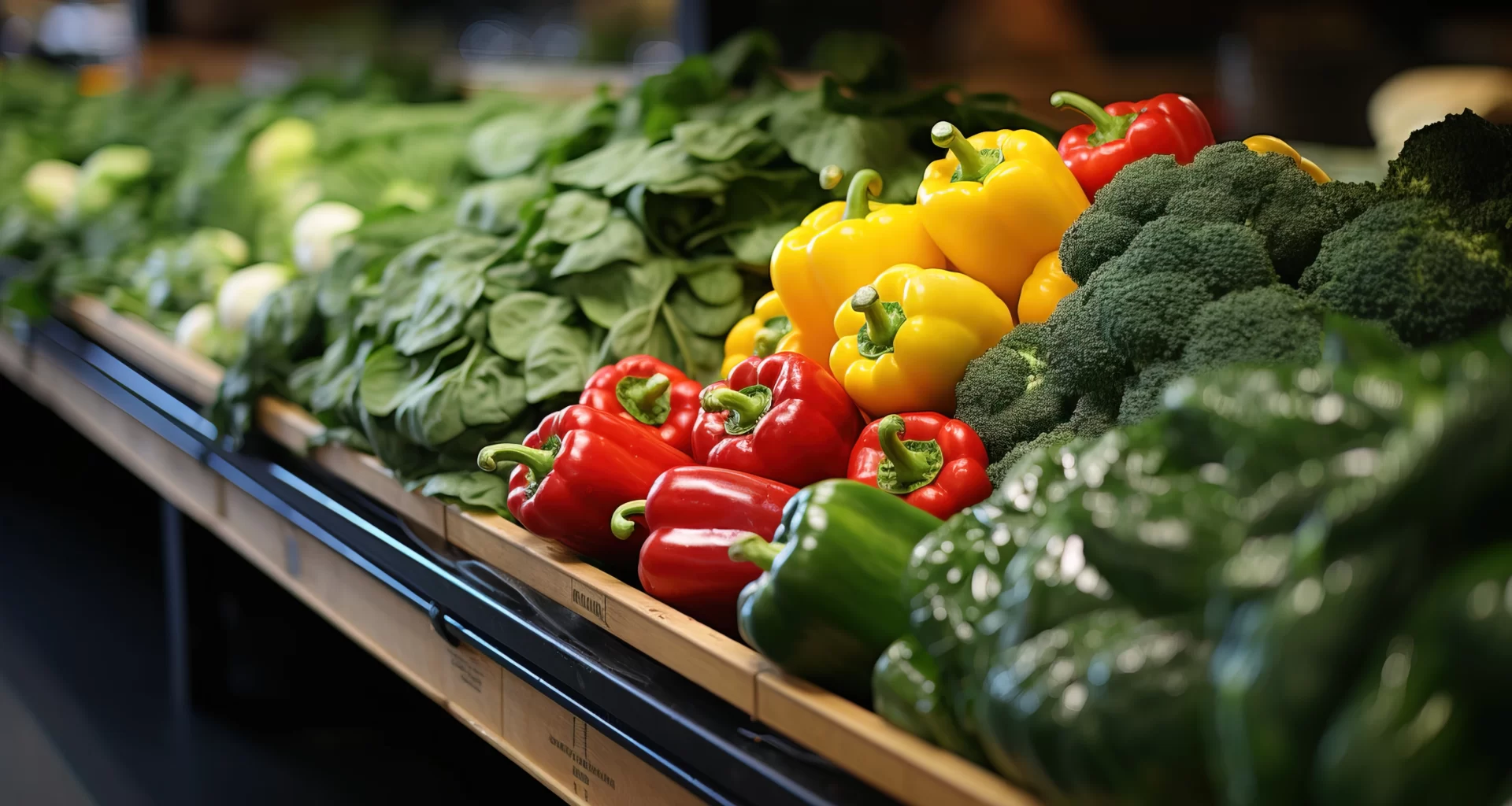
Increasing your intake of fruits and vegetables is a cornerstone of healthier eating. These nutrient-dense foods provide essential vitamins, minerals, and fiber. To boost your consumption:
- Aim for at least five servings of fruits and vegetables daily
- Experiment with new varieties to keep things interesting
- Add vegetables to your favorite dishes, like pasta or omelets
- Keep pre-cut fruits and vegetables on hand for easy snacking
Remember, a colorful plate often indicates a nutritious meal.
Choose Whole Grains Over Refined Grains
Whole grains are an excellent source of fiber, B vitamins, and various minerals. As part of your tips for healthier eating, try to:
- Replace white bread with whole grain alternatives
- Opt for brown rice instead of white rice
- Experiment with ancient grains like quinoa, barley, or farro
- Read labels carefully to ensure you’re choosing true whole grain products
These simple swaps can significantly improve your nutrient intake and help stabilize blood sugar levels.
Mindful Eating Practices
Practicing mindful eating is a powerful way to improve your relationship with food. This approach involves:
- Eating slowly and savoring each bite
- Paying attention to hunger and fullness cues
- Minimizing distractions during meals (e.g., turn off the TV)
- Appreciating the colors, smells, and textures of your food
By eating mindfully, you’re more likely to enjoy your meals and avoid overeating.
Stay Hydrated
Proper hydration is often overlooked in tips for healthier eating, but it’s crucial for overall health. To ensure you’re getting enough fluids:
- Aim for at least 8 glasses of water per day
- Carry a reusable water bottle with you
- Flavor water with fresh fruits or herbs if you find plain water boring
- Eat water-rich foods like cucumbers, watermelon, and zucchini
Staying hydrated can help control appetite and support various bodily functions.
Limit Processed Foods
Reducing your intake of processed foods is a key tip for healthier eating. These foods often contain excess sugar, unhealthy fats, and artificial additives. Instead:
- Focus on whole, unprocessed foods
- Cook meals from scratch when possible
- Read labels carefully and avoid products with long lists of unfamiliar ingredients
- Choose healthier alternatives to your favorite processed snacks
By minimizing processed foods, you’ll naturally improve the quality of your diet.
Practice Portion Control
Controlling portion sizes is crucial for maintaining a healthy weight and ensuring balanced nutrition. Try these strategies:
- Use smaller plates to create the illusion of larger portions
- Measure foods until you become familiar with appropriate serving sizes
- Fill half your plate with vegetables, a quarter with lean protein, and a quarter with whole grains
- Listen to your body’s hunger and fullness signals
Remember, even healthy foods can contribute to weight gain if consumed in excess.
Incorporate Lean Proteins
Protein is essential for building and repairing tissues, as well as keeping you feeling full. To incorporate more lean proteins:
- Choose fish, poultry, lean cuts of meat, and plant-based proteins like beans and lentils
- Include a source of protein with each meal
- Try plant-based protein sources like tofu or tempeh
- Opt for Greek yogurt or cottage cheese for snacks
Adequate protein intake can help maintain muscle mass and support overall health.
Healthy Fats are Your Friend
Contrary to outdated beliefs, not all fats are bad. Incorporating healthy fats is an important tip for healthier eating. Focus on:
- Avocados
- Nuts and seeds
- Olive oil
- Fatty fish like salmon or mackerel
These foods provide essential fatty acids and can help you feel satisfied after meals.
Reduce Added Sugars
Limiting added sugars is crucial for maintaining good health. To cut back on sugar:
- Read nutrition labels and avoid products with high sugar content
- Choose unsweetened versions of products when available
- Satisfy sweet cravings with whole fruits instead of processed sweets
- Gradually reduce sugar in your coffee or tea
By reducing added sugars, you’ll lower your risk of various health issues and stabilize your energy levels.
Cook More Meals at Home
Preparing meals at home is one of the most effective tips for healthier eating. When you cook, you:
- Have control over ingredients and cooking methods
- Can adjust portion sizes more easily
- Often save money compared to eating out
- Develop a greater appreciation for your food
Start with simple recipes and gradually expand your culinary skills.
Practice Smart Snacking
Healthy snacking can help maintain stable blood sugar levels and prevent overeating at meals. For smarter snacking:
- Keep nutritious options readily available
- Pair carbohydrates with proteins for sustained energy (e.g., apple slices with peanut butter)
- Avoid mindless snacking while watching TV or working
- Choose whole foods over processed snacks
Remember, snacks should complement your meals, not replace them.
Be Mindful of Beverages
Many people overlook the impact of beverages on their diet. To improve your liquid intake:
- Limit sugary drinks and alcohol
- Choose water, unsweetened tea, or coffee as your primary beverages
- Be cautious with fruit juices, which can be high in sugar
- If you drink alcohol, do so in moderation
Beverages can significantly impact your calorie intake and overall nutrition.
Learn to Read Nutrition Labels
Understanding nutrition labels is a valuable skill for healthier eating. Pay attention to:
- Serving sizes
- Calorie content
- Macronutrient breakdown (carbs, proteins, fats)
- Added sugars and sodium content
- Ingredient lists
This knowledge will help you make informed choices about the foods you consume.
Practice Flexibility and Balance
Lastly, remember that healthy eating is about long-term habits, not short-term restrictions. Allow yourself occasional treats and don’t stress over perfection. A balanced approach is more sustainable and enjoyable in the long run.
In conclusion, implementing these tips for healthier eating can lead to significant improvements in your overall well-being. Remember, small, consistent changes can yield remarkable results over time. Start incorporating these strategies into your daily life, and you’ll be on your way to a healthier, more vibrant you.
Frequently Asked Questions:
-
Q: How quickly can I expect to see results from adopting healthier eating habits?
A: Results can vary, but many people notice improvements in energy levels and digestion within a few weeks. More significant changes in weight or overall health may take several months of consistent effort.
-
Q: Is it necessary to completely eliminate certain foods for a healthy diet?
A: Not necessarily. A healthy diet is about balance and moderation. While it’s beneficial to limit processed foods and added sugars, occasional treats can be part of a healthy lifestyle.
-
Q: How can I stick to healthier eating habits when dining out?
A: Look for menu items that are grilled, baked, or steamed rather than fried. Don’t be afraid to ask for modifications, such as dressings on the side or extra vegetables instead of fries.
-
Q: Are organic foods necessary for a healthy diet?
A: While organic foods can be a good choice, they’re not essential for a healthy diet. Focus on eating a variety of whole foods, whether organic or conventional, to meet your nutritional needs.
-
Q: How can I make healthier eating more affordable?
A: Plan meals in advance, buy seasonal produce, purchase in bulk when items are on sale, and consider frozen fruits and vegetables, which are often more affordable and just as nutritious as fresh options.


 makelose